
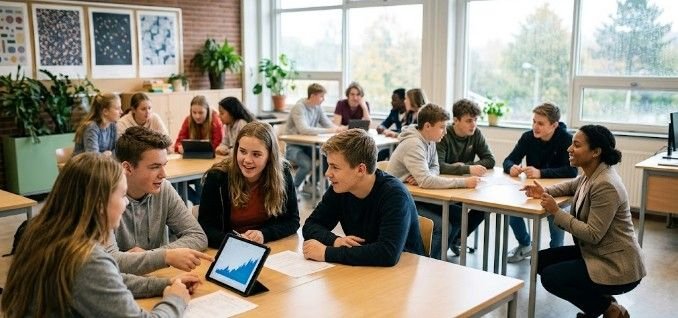
Some of the best learning moments happen when students stop being passive listeners and start becoming active participants. In my experience, classrooms feel more energetic, productive, and memorable when teachers use active learning strategies classroom techniques that encourage discussion, collaboration, and critical thinking. These approaches help students connect with lessons in meaningful ways while making learning more enjoyable and effective.
Key Takeaways
- Active learning improves student engagement and participation.
- Interactive activities strengthen critical thinking skills.
- Technology can enhance classroom collaboration.
- Small instructional changes create significant learning gains.
- Student-centered learning improves knowledge retention.
What Active Learning Really Means
Instead of spending an entire lesson listening to lectures, students actively engage with content through discussions, problem-solving, reflection, collaboration, and hands-on activities. This approach encourages deeper understanding and stronger academic outcomes.
Modern education increasingly values student-centered instruction because learners retain information more effectively when they interact with concepts. Active learning activities help students connect knowledge to real-life situations while building confidence and independence.
Learning Beyond Listening
Students learn best when they are involved in the process. Reading, discussing, questioning, and applying concepts require learners to think critically rather than simply memorize facts. These experiences make learning more meaningful and memorable.
Building Lifelong Skills
Education should prepare students for the real world. Active participation develops communication, teamwork, creativity, and problem-solving skills that students will use throughout their academic and professional lives.
Benefits Students Experience Every Day
Active learning creates positive outcomes both inside and outside the classroom.
Students who regularly participate in collaborative learning activities often demonstrate stronger critical thinking abilities and greater confidence. They become more comfortable sharing ideas and asking questions.
Classroom engagement also improves because students feel connected to the lesson. Rather than simply receiving information, they contribute to the learning process and take ownership of their education.
Improved Critical Thinking
Students learn how to analyze information effectively. Activities that involve evaluating evidence, discussing perspectives, and solving problems encourage higher-order thinking skills.
Enhanced Communication Skills
Discussion builds confidence. Regular opportunities to share ideas help students develop speaking, listening, and collaboration skills that support academic success.
High-Impact Classroom Strategies
These proven techniques help transform passive lessons into engaging learning experiences.
Think-Pair-Share

This strategy encourages participation from every student. Teachers begin by presenting a question or topic. Students spend a minute thinking independently before discussing their ideas with a partner. Afterward, pairs share insights with the class, using best ways of taking notes creating a richer discussion.
This method helps quieter students participate comfortably while promoting collaborative learning and classroom interaction.
The Jigsaw Method
Complex topics become easier to understand through teamwork. Students are divided into home groups and assigned different sections of a topic. Members then join expert groups to master their assigned content before returning to teach their original group. Teaching peers reinforces understanding while developing leadership and communication skills.
Case Studies
Real-world scenarios make learning relevant. Students analyze situations, evaluate information, and propose solutions using theoretical knowledge. This strategy encourages critical thinking and practical application. Case studies are especially effective in science, social studies, business, and higher education classrooms.
Easy Reflection Activities That Work
Simple reflection exercises help students process learning more deeply.
3-2-1 Summaries
This quick activity encourages thoughtful reflection. At the end of a lesson, students record three things they learned, two questions they still have, and one aspect they found most interesting or helpful.
Teachers can use responses as a formative assessment tool while identifying areas that need further clarification.
Exit Reflections
Short reflections provide valuable insights. Students summarize key takeaways before leaving class. This helps reinforce learning while giving teachers immediate feedback.
Technology Meets Active Learning
Digital tools can strengthen student engagement when used intentionally.
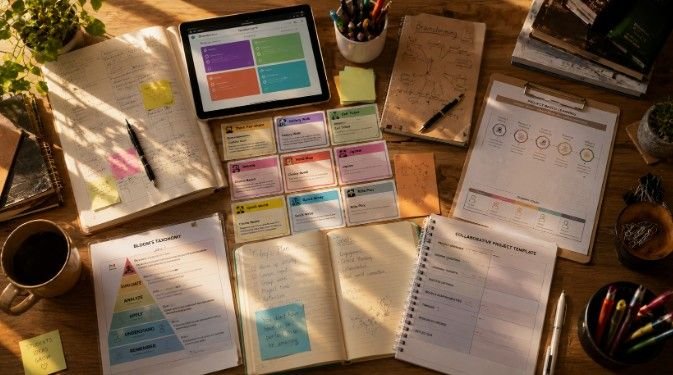
Interactive Polling And Quizzes
Technology provides instant feedback. Platforms such as Kahoot, Quizizz, and Poll Everywhere allow teachers to check understanding in real time while creating a fun and interactive learning environment.
Students stay engaged because they receive immediate results and can actively participate throughout the lesson.
Collaborative Learning Platforms
Technology extends learning beyond classroom walls. Tools like Google Classroom, Padlet, and Jamboard support brainstorming, discussion, collaboration, and project-based learning. These platforms encourage communication and make teamwork easier for students.
Multimedia Learning Experiences
Visual learning increases engagement. Videos, simulations, virtual field trips, and interactive presentations help students connect classroom concepts to real-world experiences.
Putting Active Learning Into Practice
Successful implementation starts with small, manageable steps.
Start With One Strategy
Teachers do not need to redesign every lesson immediately. Choose one activity, such as Think-Pair-Share or a classroom poll, and gradually expand active learning opportunities as students become comfortable.
Create Clear Expectations
Structure supports participation. Students should understand activity goals, timelines, and responsibilities before beginning collaborative tasks.
Encourage Reflection
Continuous improvement benefits everyone. Regular discussions about what worked well and what could be improved help strengthen future learning experiences.
Using active learning strategies classroom techniques consistently allows teachers to build a culture of engagement and curiosity over time.
Adapting Strategies For Every Grade Level
Different learners benefit from different approaches.

Elementary Classrooms
Young students enjoy movement and creativity. Role-playing, educational games, storytelling, and interactive group activities keep learners engaged while reinforcing foundational concepts.
Middle School Learning
Collaboration becomes increasingly valuable. Group projects, debates, and inquiry-based learning activities help students develop communication and critical thinking skills.
High School Success
Older students benefit from deeper exploration. Research projects, case studies, Socratic seminars, and problem-based learning encourage analytical thinking and real-world application.
Helpful Resource Hubs For Teachers
Many educators look for guidance when introducing active learning methods.
The Purdue University Active Learning Strategies Index offers structured frameworks and practical classroom techniques that support student-centered learning.
The UC Berkeley Active Learning Guide provides research-backed recommendations for creating engaging learning experiences and improving participation.
Teachers seeking activity ideas can explore SessionLab’s active learning database, which includes collaborative exercises suitable for different age groups and subjects.
Frequently Asked Questions
1. What are active learning strategies in the classroom?
Active learning strategies in the classroom are instructional methods that encourage students to participate through discussion, collaboration, reflection, problem-solving, and hands-on activities instead of passively listening to lectures.
2. What are the five active learning methods?
Five common active learning methods include Think-Pair-Share, inquiry-based learning, problem-based learning, cooperative learning, peer instruction, and case studies that promote engagement and deeper understanding.
3. What is the 3 2 1 active learning strategy?
The 3-2-1 strategy asks students to identify three things learned, two questions they still have, and one interesting takeaway, helping reinforce understanding and reflection.
4. What are the 5 teaching strategies in the classroom?
Five effective teaching strategies include direct instruction, collaborative learning, inquiry-based learning, differentiated instruction, and project-based learning that support diverse student needs and learning styles.
Turn Your Active Learning Strategies Into A Hub Of Discovery
The most successful classrooms are those where students actively participate, explore ideas, and collaborate with others. By using active learning strategies classroom techniques, teachers can create engaging lessons that improve retention, strengthen critical thinking, and encourage meaningful participation.
Whether through discussions, case studies, technology tools, or collaborative projects, active learning helps students become confident learners who are prepared for success both inside and beyond the classroom.