
Travel should feel exciting, not stressful. I always believe a good trip starts before packing, and that includes knowing how to stay alert without feeling afraid. Scams can happen in busy airports, crowded streets, hotel lobbies, online booking pages, taxis, markets, and tourist attractions. The tricky part is that many scams look friendly at first.
That is why How to Avoid Tourist Scams While Traveling is such an important topic for every traveler. You do not need to suspect everyone you meet, but you should know the warning signs. A calm mind, a little research, and a few smart habits can protect your money, passport, phone, cards, and peace of mind.
Why Travelers Get Targeted
Travelers are often easy targets because they are in unfamiliar places. They may not know local prices, safe transport options, common routes, or the right way to buy tickets. Scammers use this confusion to create pressure.
Another common trick is urgency. Someone may say your hotel is closed, a taxi meter is broken, a tour is almost sold out, or you must pay a fine immediately. When anyone pushes you to act fast, pause and verify before paying or sharing details.
Common Tourist Scams to Watch For
Fake Taxi and Rideshare Scams
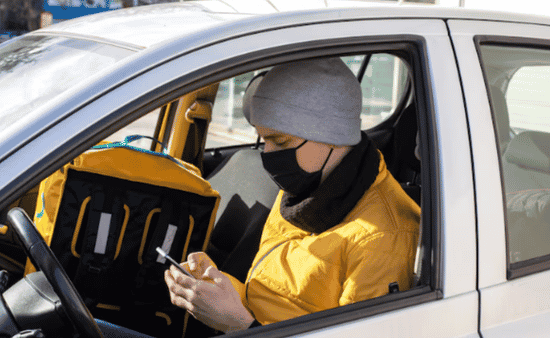
Taxi scams are one of the most common travel problems. A driver may avoid the meter, take a longer route, charge extra for bags, or say your hotel has changed. In rideshare uber scams, someone may pretend to be your booked driver.
To avoid this, use official taxi stands, trusted ride apps, or hotel-arranged transport. Before entering, confirm the license plate, driver name, destination, and estimated fare. If the driver acts pushy or refuses clear pricing, choose another ride.
Fake Police and Street Fine Scams
In this scam, someone pretends to be a police officer or local authority. They may ask to check your passport, wallet, or cash. Then they may claim you broke a rule and demand an instant payment.
Do not hand over your wallet or passport on the street without verification. Ask to go to the nearest police station, hotel front desk, or national security agency. A real official should not pressure you to pay a random cash fine in a hurry.
Free Gift and Bracelet Scams
Some scammers offer a free bracelet, flower, souvenir, photo, or blessing. Once you accept it, they demand money and may become aggressive. This often happens near landmarks, markets, and busy walking areas.
The best response is simple. Smile, say no, and keep walking. Do not accept anything you did not ask for. A free item that comes with pressure is usually not free.
Distraction and Pickpocket Tricks
Distraction scams are designed to move your attention away from your belongings. Someone may spill something on you, ask for directions, drop coins, or create a small argument nearby while another person reaches for your bag.
Keep your phone, wallet, and passport close to your body. Avoid keeping valuables in back pockets or open bags. In crowded places, check your belongings before reacting to a distraction.
Online Travel Scams Before the Trip
Many scams begin before you even leave home. Fake booking websites, copycat visa pages, fake vacation rentals, phishing emails, and social media travel giveaways can look professional.
Always check the website address before entering payment or passport details. Book through trusted platforms or official provider websites. Be careful with deals that require wire transfers, gift cards, crypto, or payments outside a booking platform.
Visa fraud websites are also risky because they may collect personal information. Before applying for travel documents, find the official government website for that destination. Avoid clicking random ads without checking whether the site is genuine.
Hotel, Tour, and Ticket Scams
Hotels and attractions can also create scam risks. A fake caller may pretend to be from the hotel desk and ask you to confirm card details. A tour seller may promise a premium package but deliver a poor experience. A ticket seller outside a landmark may sell expired, fake, or overpriced tickets.
Buy attraction tickets from official counters or verified websites. Book tours through trusted operators with recent reviews. At hotels, never give card details over the phone unless you personally called the verified front desk number.
Be careful with passports too. Some places may ask to see your passport, but leaving it as collateral can create serious trouble. When possible, offer a copy and keep the original locked safely.
Money, ATM, and Card Safety
Money scams often happen during currency exchange, restaurant billing, card payments, and ATM use. A vendor may give the wrong change, add hidden charges, or distract you while processing a payment.
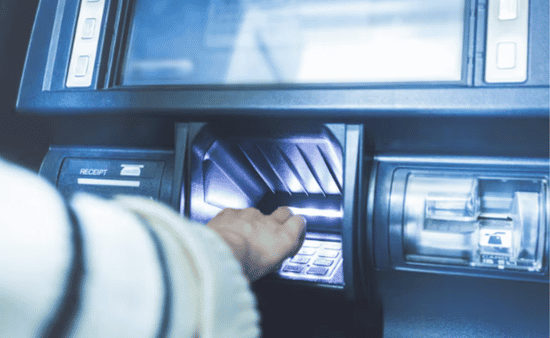
Use ATMs inside banks, malls, or secure buildings whenever possible. Cover the keypad, refuse help from strangers, and check the machine for unusual attachments. When paying by card, keep the card in sight and review the amount before approving.
At restaurants, check prices before ordering, especially near tourist attractions. Ask about service charges, cover fees, or items brought to the table without request. Review the bill carefully before paying.
How to React If You Get Scammed
Even careful travelers can make mistakes. If you get scammed, act quickly and stay calm. Save receipts, screenshots, booking messages, names, addresses, photos, and payment records. These details may help your bank, booking platform, insurance provider, or local authorities.
If your card is involved, freeze it immediately and contact your bank. If your passport is stolen, contact the nearest embassy or consulate. If the scam happened through a booking platform, report the listing so other travelers are protected.
Travel insurance may help in some cases, depending on the policy. Keep documents organized because claims often require written proof, police reports, receipts, or confirmation from a provider.
Simple Safety Checklist for Travelers
Research common scams at your destination before leaving. Save hotel, airline, bank, and embassy contacts offline. Use secure payment methods. Avoid deals that feel too cheap. Confirm taxi details before entering. Keep your passport protected.
Buy tickets from official sellers. Refuse unwanted gifts. Trust your instincts when someone pressures you. Using the best online travel agencies can also improve travel safety by helping you book verified accommodations, transportation, and activities through trusted platforms, reducing the risk of fraud and unreliable services.
Knowing How to Avoid Tourist Scams While Traveling does not mean you should travel with fear. It simply means you are prepared. Most scams rely on speed, confusion, pressure, or distraction. When you slow down and check the details, you become much harder to fool.
Frequently Asked Questions
1. What is the most common tourist scam?
Taxi overcharging, fake tickets, fake police, pickpocket distractions, and free gift scams are among the most common travel scams.
2. How can I avoid taxi scams while traveling?
Use official taxi stands or trusted ride apps, confirm the fare, check vehicle details, and avoid drivers who refuse clear pricing.
3. Are fake travel booking websites common?
Yes, fake booking sites, rental listings, visa pages, and travel ads can look real, so always check the domain and payment method.
4. Why is How to Avoid Tourist Scams While Traveling important?
It helps travelers protect money, documents, bookings, and personal safety by spotting warning signs before a scam becomes expensive.
Final Thoughts
I believe the best travel experiences come from feeling prepared, not paranoid. Scams can happen in any popular destination, but most of them follow patterns. Once you recognize those patterns, it becomes easier to protect yourself while still enjoying the place, people, food, culture, and adventure.
Before every trip, I like to check local scams, save important contacts, and keep payment methods secure. These small steps make a big difference. Travel should be memorable for the right reasons, and smart awareness helps you enjoy the journey with more confidence.