
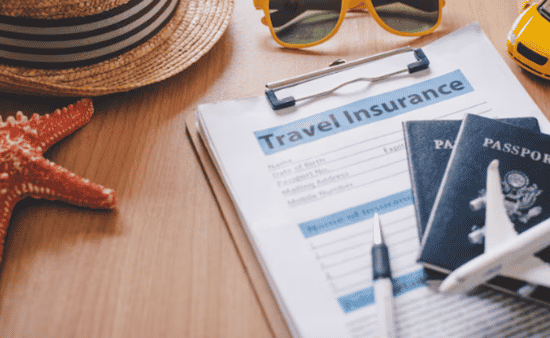
I think travel insurance was just an optional add-on that appeared before paying for a flight or hotel. But after seeing how quickly a delayed flight, lost bag, sudden illness, or canceled trip can become expensive, I now see it differently. Travel Insurance Basics Every Traveler Should Know can help you protect your money, your health, and your peace of mind before you leave home.
Travel insurance does not make a trip problem-free. It simply gives you financial support when certain covered problems happen. Whether you are planning a family vacation, cruise, business trip, or international getaway, understanding the basics can help you choose smarter coverage instead of buying the first policy you see.
What Is Travel Insurance?
Travel insurance is a policy that helps cover certain losses connected to your trip. These losses may include trip cancellation, trip interruption, emergency medical care, lost luggage, delayed baggage, travel delays, and emergency evacuation.
The most important thing to understand is that travel insurance only covers specific situations listed in the policy. It does not cover every reason you may want to cancel or every problem that happens while traveling. That is why reading the coverage details matters before you buy.
What Does Travel Insurance Usually Cover?
Most travel insurance plans cover common problems that can affect your trip before or during travel. Trip cancellation travel insurance may help reimburse prepaid, nonrefundable costs if you must cancel for a covered reason such as illness, injury, severe weather, or another approved event.
Trip interruption coverage may help if you start your trip but need to return home early. Travel delay coverage can help with meals, hotel stays, or transportation when a covered delay lasts long enough to qualify. These benefits are useful when your plans depend on flights, hotels, tours, cruises, or prepaid activities.
Why Medical Coverage Matters

Medical coverage is one of the most important parts of a travel insurance policy, especially when you travel outside your home country. Your regular health plan may not fully cover hospital visits, doctor care, prescriptions, or emergency treatment abroad.
Emergency medical evacuation is another major benefit. If you become seriously sick or injured in a remote place, evacuation coverage can help pay for transportation to a suitable medical facility. Without this coverage, emergency transport can be extremely costly.
Baggage Loss, Theft, and Delay
Travel insurance may also help if your luggage is lost, stolen, damaged, or delayed. This can be helpful when you arrive at your destination without clothes, toiletries, or important travel items.
However, baggage coverage usually has limits. Expensive electronics, jewelry, documents, and luxury items may not be fully covered. If your bag is delayed or lost, save airline notices, receipts, and reports because you may need them when filing a claim.
What Travel Insurance Does Not Cover
A common mistake is assuming travel insurance covers everything. Most basic policies do not cover a simple change of mind, fear of travel, predictable events, ignored warnings, or problems caused by risky behavior.
Pre-existing medical conditions may also be excluded unless your policy includes a waiver and you buy it within the required time. Some adventure activities, alcohol-related injuries, unattended belongings, and high-value personal items may also have limited or no coverage.
How Much Does Travel Insurance Cost?
Travel insurance cost depends on your trip price, age, destination, travel length, number of travelers, and coverage level. A simple policy may be cheaper, while a comprehensive policy with strong medical coverage, cancellation benefits, and optional upgrades will cost more.
The cheapest plan is not always the best choice. A low-cost policy may have weak limits, strict exclusions, or limited medical protection. Instead of choosing only by price, compare benefits, claim limits, deductibles, and exclusions. Many travelers also use the best online travel agencies to compare insurance options alongside flights and accommodations, making it easier to find coverage that offers real value rather than just the lowest price.
When Should You Buy Travel Insurance?

The best time to buy travel insurance is soon after making your first trip payment. Buying early can give you more options and may help you qualify for time-sensitive benefits such as pre-existing condition waivers or Cancel For Any Reason coverage.
Waiting too long can reduce your protection. Once a storm is named, an illness is known, or a travel disruption becomes expected, it may no longer count as an unexpected event. Travel insurance works best when you buy it before problems appear.
When Travel Insurance Is Worth It
Travel insurance is worth considering when your trip includes expensive, prepaid, or nonrefundable bookings. It can also be useful for cruises, international travel, remote destinations, family trips, and vacations with several flights or hotel stays.
It may also be a smart choice if a medical emergency would create serious financial stress. If you are spending a large amount on flights, hotels, tours, and transportation, protecting that investment can make sense.
When You May Not Need Travel Insurance
You may not need a full policy for a short, low-cost trip with refundable bookings. Some credit cards also provide limited travel protection, rental car coverage, baggage benefits, or trip delay refunds.
Still, credit card coverage can have gaps. It may not include strong medical coverage, emergency evacuation, or broad cancellation protection. Before skipping travel insurance, check what you already have and what risks are still uncovered.
How to Choose the Right Travel Insurance Plan
Start by adding up your nonrefundable trip costs. Include flights, hotels, tours, cruises, event tickets, and prepaid transportation. This helps you understand how much money you could lose if your plans change.
Next, compare plans based on medical coverage, evacuation benefits and allowances, baggage protection, cancellation rules, exclusions, and claim requirements. Do not buy a policy only because it appears at checkout. Compare a few options and choose one that matches your destination, activities, and budget.
Travel Insurance Claim Tips
A good policy is only useful if you can file a strong claim. Keep booking confirmations, receipts, airline notices, medical bills, police reports, hotel cancellation emails, and baggage delay documents.
Contact your insurance provider as soon as something goes wrong. Many policies have deadlines and required documents. The faster you collect proof, the smoother the claim process can be.
Frequently Asked Questions
1. What is the most important part of Travel Insurance Basics Every Traveler Should Know?
The most important part is understanding what your policy covers, what it excludes, and what proof you need when filing a claim.
2. Is travel insurance worth it for a domestic trip?
Yes, it can be worth it if your trip is expensive, includes nonrefundable bookings, or involves flights, events, tours, or hotel reservations.
3. Does travel insurance cover canceled flights?
It may cover certain costs if the cancellation reason qualifies under your policy and you can provide the required documents.
4. Can I buy travel insurance after booking?
Yes, but buying soon after your first trip payment usually gives you better options and may unlock time-sensitive benefits.
Final Thoughts
I believe travel insurance is one of those things you hope you never need but feel thankful for when problems happen. It cannot stop delays, illness, lost bags, or cancellations, but it can make the financial side easier to handle.
Before your next trip, take a few minutes to compare coverage, read the exclusions, and check what protection you already have. A smart policy can help you travel with more confidence and fewer costly surprises.