
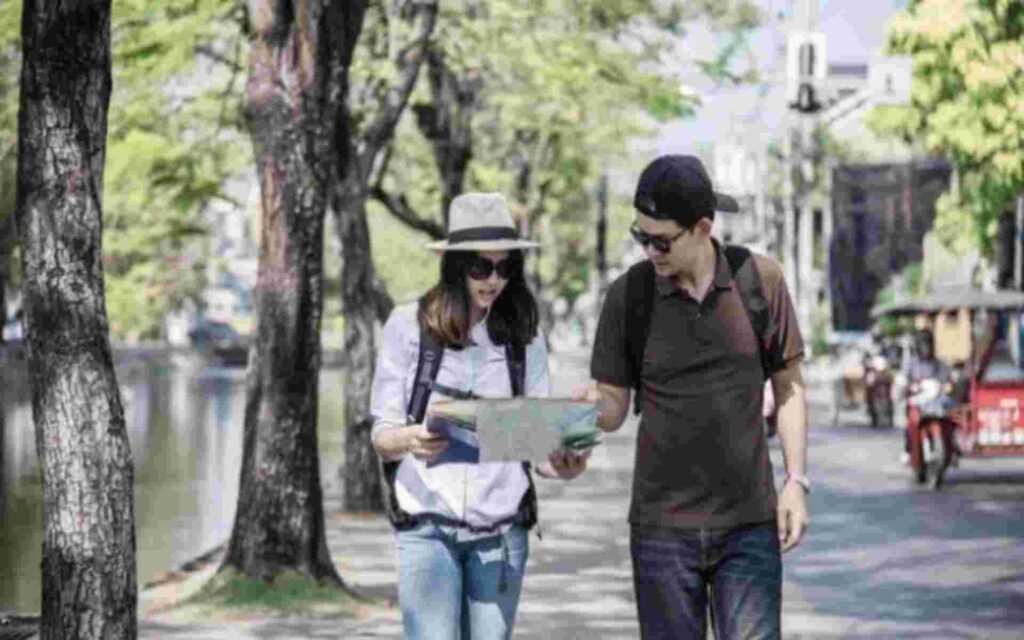
When I travel, I do not want the trip to feel like a checklist of famous places, quick photos, and crowded attractions. I want to understand the rhythm of a destination, taste what locals eat, hear everyday conversations, and notice the small details that make a place feel real. That is why How to Enjoy Local Culture While Traveling matters for anyone who wants a richer, more respectful, and more memorable journey.
Local culture is not something you only find in museums or guided tours. It appears in morning markets, family-owned restaurants, neighborhood parks, public transport, festivals, greetings, clothing customs, and daily routines. The best travel memories often come from slowing down and paying attention.
Why Local Culture Makes Travel More Meaningful
A trip becomes more personal when you move beyond the most popular attractions. Famous landmarks are worth seeing, but they rarely show the full personality of a destination. Local culture helps you understand how people live, celebrate, work, eat, shop, relax, and connect.
For travelers with limited vacation days, this does not mean you need a long, expensive trip. Even a weekend getaway can feel more authentic when you choose local food, walk through real neighborhoods, speak politely, and respect traditions. The goal is not to act like a local overnight. The goal is to travel with curiosity instead of rushing through places.
Research Local Customs Before You Arrive
Before booking activities, learn the basic customs of the place you are visiting. Check common greetings, tipping custom habits, dining rules, dress expectations, religious customs, and public behavior. This helps you avoid awkward mistakes and shows respect.
For example, some places expect quiet behavior in sacred spaces, modest clothing in temples or churches, or specific manners during meals. A few minutes of research can make your experience smoother and more comfortable.
Learn a Few Local Phrases
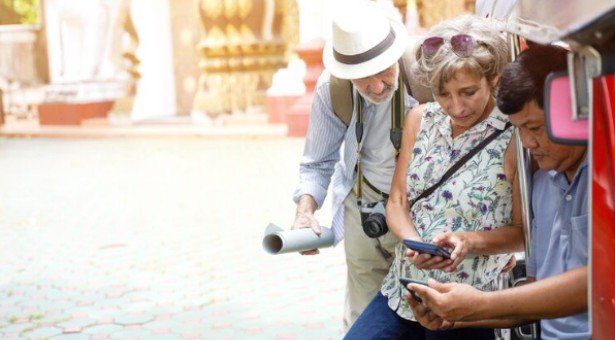
You do not need to become fluent before your trip, but learning basic words can change how people respond to you. Start with hello, thank you, please, excuse me, how much, and goodbye.
Even if your pronunciation is imperfect, the effort matters. It shows that you are not expecting everyone to adjust to you. A simple greeting can open the door to warmer conversations, better service, and more genuine moments.
Eat Where Local People Actually Eat
Food is one of the easiest ways to experience local culture, so add food research to your list of things to do before leaving for vacation. Instead of choosing only familiar chains or restaurants beside major attractions, look for family-run places, neighborhood cafés, street food stalls, bakeries, diners, and markets.
Ask hotel staff, shop owners, taxi drivers, or local guides where they eat on a normal day. Try regional dishes, seasonal ingredients, and traditional breakfasts. If you have dietary restrictions, learn how to explain them politely before ordering.
Visit Markets, Festivals, and Community Events
Local markets show how people shop, cook, bargain, and socialize. You can learn a lot by walking through food markets, craft markets, farmers markets, flea markets, and small shopping streets. These places often feel more alive than polished tourist zones.
Festivals and community events are also powerful cultural experiences. Look for music nights, food fairs, religious festivals, art walks, local sports events, cultural performances, and seasonal celebrations. Attend with respect. Watch how locals participate before joining in.
Stay in Locally Owned Places
Where you stay can shape your entire trip. Locally owned guesthouses, boutique inns, farm stays, bed and breakfasts, and small hotels often provide better cultural insight than large anonymous stays.
Hosts may suggest local restaurants, quiet neighborhoods, traditional events, and lesser-known attractions. Staying locally also keeps more travel money within the community, which supports responsible tourism.
Use Public Transport and Walk More

Public transport gives you a closer look at daily life. Buses, trains, ferries, trams, and shared rides reveal how people move through their own city or town. Walking also helps you notice details that are easy to miss from a car.
You may discover local bakeries, murals, small parks, bookstores, street vendors, and family shops. Stay aware of your surroundings, keep valuables secure, and use trusted route apps like google maps when needed.
Join Local Classes and Guided Experiences
Cooking classes, craft workshops, dance lessons, language classes, walking tours, farm visits, and history tours can turn a simple trip into a deeper cultural experience. Choose small-group or locally led activities when possible.
A good local guide can explain customs, stories, food traditions, and hidden details that you might never understand alone. This is especially helpful when visiting historic areas, sacred spaces, or culturally sensitive communities.
Respect Dress Codes, Sacred Places, and Photo Rules
Respect is the heart of cultural travel. Always check whether photos are allowed before taking pictures of people, homes, ceremonies, religious spaces, or children. Do not treat local traditions like a performance created only for visitors.
Dress appropriately in religious places, remove shoes when expected, keep your voice low where silence is valued, and follow local rules even when they feel unfamiliar. Respect helps protect the experience for both travelers and residents.
Avoid Tourist-Trap Versions of Culture

Not every “authentic” experience is truly respectful or local. Some tourist shows, souvenir markets, and staged activities are designed mainly for quick spending. That does not always make them bad, but it is worth asking whether the experience supports local people fairly.
Look for activities led by residents, community organizations, independent guides, or small businesses. Avoid experiences that exploit people, animals, sacred rituals, or poverty for entertainment.
How to Enjoy Local Culture Safely
How to Enjoy Local Culture While Traveling also means staying practical. Share your plans with someone you trust, check transport times, avoid unsafe areas at night, and use registered maine guides for unfamiliar places. Carry a small amount of cash, but do not display valuables.
Trust your instincts. If a situation feels pressured, overly expensive, or unsafe, step away politely. Cultural curiosity should never mean ignoring basic safety.
Frequently Asked Questions
1. What is the easiest way to follow How to Enjoy Local Culture While Traveling tips?
Start with food, greetings, markets, and local transport. These simple choices help you experience daily life without needing a complicated plan.
2. How can I experience local culture on a short trip?
Choose one neighborhood, eat at locally owned restaurants, visit a market, join a walking tour, and leave flexible time for unplanned discoveries.
3. Is it better to book local tours or explore alone?
Both can work. Local tours are helpful for history and customs, while solo exploring gives you freedom to observe daily life at your own pace.
4. How do I avoid being disrespectful in another culture?
Research customs before you arrive, dress appropriately, ask before taking photos, follow local rules, and stay humble when something feels unfamiliar.
Final Thoughts
For me, the best trips are not only about where I went, but how deeply I paid attention while I was there. Local culture turns travel from simple sightseeing into a real connection with people, places, food, language, and tradition.
You do not need to do everything perfectly. You only need to arrive with respect, curiosity, patience, and a willingness to learn. When you slow down, support local businesses, ask thoughtful questions, and notice everyday life, travel becomes more than a vacation. It becomes a story you actually remember.