
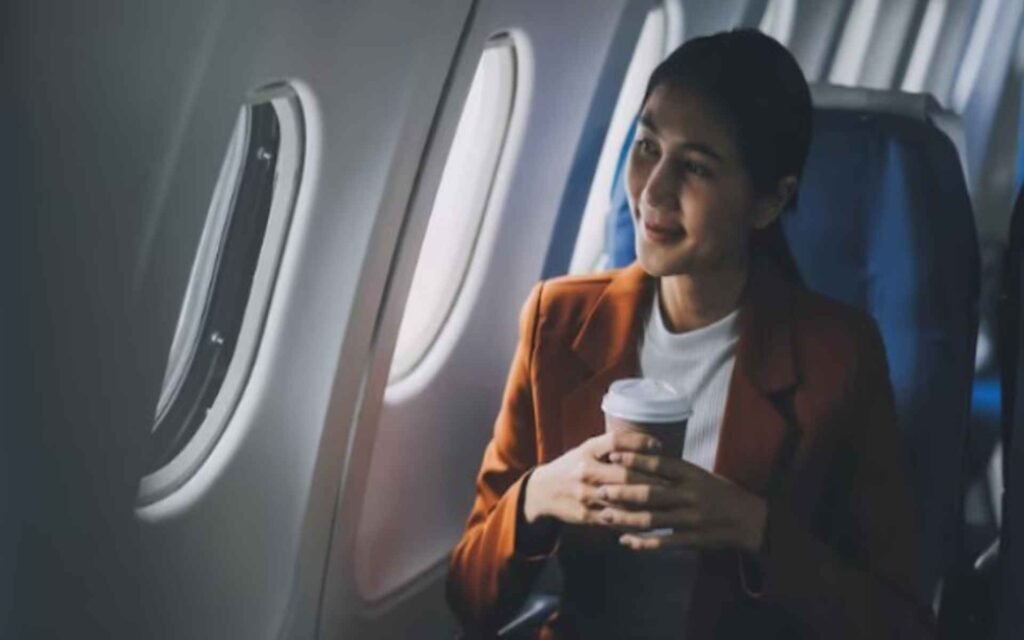
I have learned that a long flight feels much easier when I prepare for comfort before I ever reach the gate. How to Make Long Flights More Comfortable starts with small choices: the seat I pick, the clothes I wear, the snacks I pack, and the way I manage sleep, hydration, and movement in the air.
Long-haul travel can be tiring, especially in economy, but it does not have to feel miserable. With a simple plan, even a crowded overnight flight can feel more organized, restful, and manageable.
Why Long Flights Feel So Uncomfortable
Long flights are hard because your body stays in one position for hours. Cabin air can feel dry, seat space is limited, meals may not match your normal routine, and sleep is rarely perfect. Add noise, bright screens, delays, and time-zone changes, and even an exciting trip can start with exhaustion.
The goal is not to make the flight feel like a luxury suite. The goal is to reduce the common problems before they become stressful. Comfort comes from controlling what you can: seat choice, clothing, hydration, movement, sleep tools, and easy access to essentials.
Choose the Right Seat Early
Your seat can change the entire flight experience. If you like sleeping against the wall, choose a window seat. If you get up often, prefer extra access, or want to stretch more easily, an aisle seat usually works better. For taller travelers, exit rows and extra-legroom seats may be worth the added cost.
Avoid waiting until check-in if the route is popular. Seat maps can fill quickly, especially on overnight flights and holiday routes. I always check the seat layout early and avoid areas near bathrooms when possible, because they can be noisy throughout the flight.
Dress in Soft, Breathable Layers
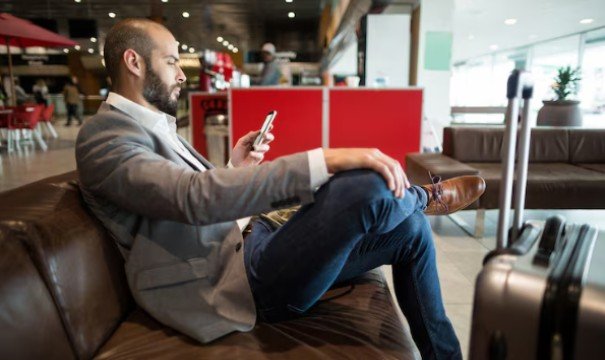
Comfortable clothing matters more than style on a long flight. Soft wearable joggers, stretch pants, breathable tops, and a light hoodie or cardigan can help you adjust when the cabin temperature changes. Tight waistbands, stiff jeans, and heavy jackets can make sitting for hours feel worse.
Layers are useful because airport terminals, aircraft cabins, and arrival cities may all feel different. A scarf can work as a light blanket, neck support, or extra layer. Slip-on shoes also make security and in-seat comfort easier, but keep socks on when walking around the cabin.
Pack a Small Long-Flight Comfort Kit
A good comfort kit keeps everything close without digging through the overhead bin. I like to keep one small pouch under the seat with the items I will actually use during the flight.
Travel Pillow and Eye Mask
A supportive neck pillow can reduce awkward sleeping positions. An eye mask helps when cabin lights, seatback screens, or reading lamps stay on. Choose items that are compact and easy to pack.
Noise Control
Noise-canceling headphones or soft earplugs can make a major difference. Engine noise, crying children, announcements, and nearby conversations feel less stressful when you can create a quieter space.
Skin and Dry-Air Essentials
Even when you choose right travel destination, cabin air can make your skin, lips, and eyes feel dry. Pack lip balm, moisturizer, hand cream, and any approved eye drops you normally use. Keep liquids within airport security rules and store them where you can reach them easily.
Compression Socks
Compression socks may help some travelers feel more comfortable during long periods of sitting. They are especially useful for people who notice swelling in their feet or ankles during flights. Anyone with medical concerns should ask a doctor before relying on them.
Stay Hydrated Without Overdoing It
Hydration is one of the simplest ways to feel better during a long flight. Bring an empty reusable bottle through security, fill it before boarding, and sip regularly. Do not wait until you feel thirsty.
Coffee, soda, and alcohol can make dehydration or poor sleep worse for some travelers. You do not need to avoid them completely, but water should be the main drink. I also avoid very salty snacks before boarding because they can make bloating and thirst worse.
Bring Better Snacks
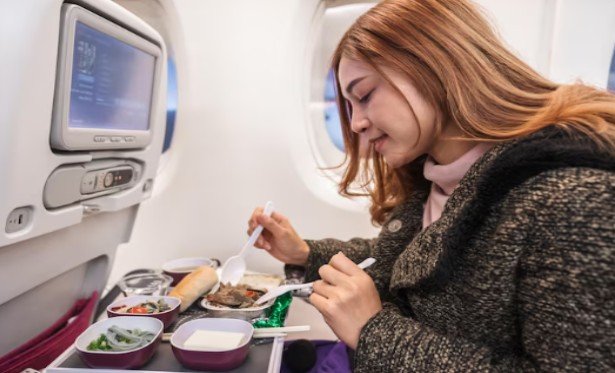
Airline meals are not always served when you are hungry. Packing your own snacks gives you more control, especially if you have dietary preferences or a tight connection after landing.
Good options include trail mix, healthy granola bars, crackers, fruit, nut butter packets, or a simple sandwich purchased after security. Avoid messy foods, strong smells, and anything that could leak in your bag. A small snack can also help if you wake up hungry mid-flight.
Move Every One to Two Hours
Sitting still for too long can make your legs, back, and shoulders feel stiff. Stand when it is safe, walk the aisle briefly, and do simple seated movements like ankle circles, shoulder rolls, and gentle neck stretches.
Movement does not need to be dramatic. Even a short walk to the restroom area can help your body feel less locked in place. If you are in a window seat, plan movement around meal service and sleeping passengers so you are not stuck for too long.
Create a Sleep Strategy
Sleeping on a plane is easier when you plan around your destination. On overnight flights, I try to follow the arrival time zone as much as possible. If it will be morning when I land, I avoid staying awake the entire flight.
Use your eye mask, headphones, travel pillow, and blanket together. Skip heavy screen time right before trying to sleep. If you use sleep aids, only use what is safe and familiar to you, and never try something new for the first time on a flight.
Download Entertainment Before Boarding
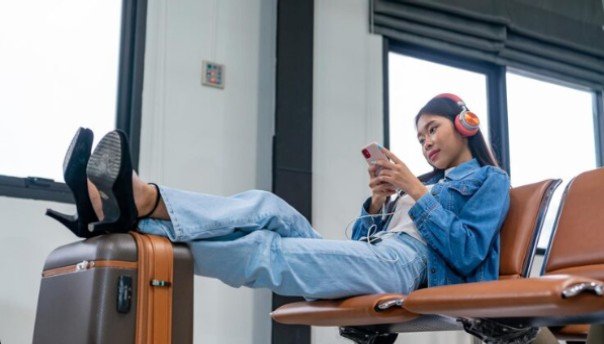
Wi-Fi is not always reliable, and in-flight entertainment can be limited. Download movies, shows, podcasts, playlists, audiobooks, and offline maps before leaving home. Bring a fully charged phone, tablet, or e-reader.
A portable charger is also useful, especially on older aircraft where outlets may not work. Keep charging cables under the seat instead of in the overhead bin. Boredom makes long flights feel longer, so prepare enough entertainment for delays too.
Keep Essentials Under the Seat
Your overhead bag may be hard to reach once everyone is seated. Keep your comfort kit, snacks, headphones, charger, documents, medications, and water bottle in a small personal item under the seat.
This habit prevents unnecessary standing and stress. It also helps during turbulence or when the seatbelt sign stays on for a long time. The fewer times you need the overhead bin, the calmer your flight feels.
Freshen Up Before Landing
A quick refresh before landing can make you feel more awake. Brush your teeth, wash your face, apply moisturizer, use deodorant wipes, and change socks if needed. These small steps are especially helpful before a business meeting, family visit, or hotel check-in delay.
I also organize my documents, wallet, phone, and arrival details before the final descent. That way, I am not searching through my bag while everyone is rushing to leave the plane.
Frequently Asked Questions
1. What is the best seat for long flights?
The best seat depends on your travel style. Window seats are better for sleep, aisle seats are better for movement, and extra-legroom seats are helpful for tall travelers.
2. Is How to Make Long Flights More Comfortable mostly about packing?
Packing helps, but comfort also depends on seat choice, hydration, sleep timing, movement, clothing, entertainment, and keeping essentials within reach.
3. What should I avoid wearing on a long flight?
Avoid stiff jeans, tight waistbands, heavy boots, and clothing that traps heat. Soft, breathable layers are usually easier for sitting and sleeping.
4. Are compression socks necessary for long flights?
They are not necessary for everyone, but many travelers use them for swelling and leg comfort. Ask a doctor if you have circulation concerns.
Final Thoughts for a Smoother Flight
I believe long flights feel better when comfort is planned instead of left to chance. How to Make Long Flights More Comfortable is really about building a simple routine that protects your body, sleep, mood, and energy from the moment you board.
Choose your seat early, wear soft layers, pack a small comfort kit, drink water, move regularly, download entertainment, and freshen up before landing. When these small habits work together, economy travel can feel much easier from takeoff to arrival.